September 10, 2026
Undertaking a professional driveway paving project is a significant endeavor for homeowners intending to enhance their property's curb appeal and overall functionality. It is a detailed process that involves several key phases, starting from the initial consultation and site assessments to the systematic application of chosen materials and the ultimate finishing touches that ensure long-term durability. Understanding what to expect at each stage of this journey helps property owners prepare adequately, manage timelines, and engage effectively with contractors to achieve optimal results for their home investment.
Understanding Project Requirements
Homeowners initiate their driveway journey by discussing design preferences with experienced contractors to translate visual aspirations into a constructible, lasting reality. During these early conversations, team members address fundamental elements such as driveway shape, intended vehicle loads, aesthetic preferences, and budget limits to establish realistic expectations. Identifying site challenges early, such as severe soil instability or poor drainage, allows for proactive engineering solutions before construction begins.
The initial assessment requires a thorough review of local municipal regulations, zoning laws, and necessary permit guidelines. Professional contractors conduct precise site inspections and measure the total surface area to evaluate existing soil conditions and determine necessary excavation depths. According to This Old House, the first step in the installation of an asphalt driveway is preparing the site by excavating to the required eight to twelve inches.
Material selection serves as another crucial component during the consultation phase, allowing homeowners to compare asphalt, concrete, and paver options based on life expectancy and cost. Aesthetic preferences, including specialized textures, borders, and colors, are selected to complement the home's architectural style. Evaluating expected maintenance requirements ensures property owners select durable paving options that suit the local climate and daily usage patterns over time.
Designing Spatial Layouts
The design phase converts conceptual discussions into an actionable blueprint that defines exact dimensions, curves, orientations, and structural features. Engineers evaluate structural load-bearing requirements to ensure the surface withstands daily traffic without premature sinking or cracking. Incorporating aesthetic elements like decorative borders or custom entry aprons enhances visual appeal, transforming basic utility pathways into prominent architectural statements.
Planning sturdy edging and border systems helps define the main footprint while containing the base materials and protecting perimeter edges from encroaching vegetation. Securing structural permits from local building departments remains mandatory before break-ground dates to avoid regulatory fines or project delays. Timelines are established around contractor availability, material manufacturing schedules, and forecasted weather conditions to maintain steady workflow progression.
Site preparation directly dictates the stability and lifespan of the new driveway surface. The process begins by clearing existing asphalt, overgrown vegetation, topsoil, and loose debris to establish a clean substrate. Safety barriers, warning tape, and traffic markers are positioned around the perimeter to protect workers, residents, and visitors during heavy machinery operations.
Subgrade preparation involves removing unstable subsoil, leveling grade variations, and compacting the underlying earth to establish an unyielding foundation. Soil stabilization techniques, such as integrating heavy-duty geotextile fabrics or lime amendments, are used when native soils lack sufficient load-bearing capacities. Implementing strategic drainage solutions ensures surface water flows smoothly away from structural foundations and prevents moisture buildup underneath the paved layer.
Executing Foundation Excavations
Precision excavation relies on heavy machinery like backhoes and skid steers to remove organic material down to stable subsoil layers. Equipment operators maintain strict grade tolerances while stripping away old materials without disturbing the lower earth layers. Excavated debris is categorized onsite, separating recyclable aggregates from waste materials to encourage sustainable disposal and reduce landfill impact.
Contractors enforce strict safety protocols across the excavation zone, keeping pedestrian traffic away from active equipment and trench lines. Continuous depth measurements ensure the site is excavated consistently to accommodate the structural base and final surface layers. Open lines of communication between crews and property owners keep everyone informed of subterranean surprises, such as hidden utility lines or unrecorded rock deposits.
Installing a crushed stone base layer creates a supportive foundation that distributes heavy vehicle weight and facilitates necessary subsurface drainage. High-grade aggregate materials are spread evenly across the excavated area using automated spreading equipment to establish an unyielding core. Proper aggregate selection ensures strong compaction rates and prevents water retention beneath the surface.
Heavy vibratory rollers compact the aggregate in successive lifts, eliminating internal air pockets that cause future settling or surface rutting. Quality control checks verify sub-base density levels against established civil engineering standards before proceeding to final surface applications. Proper grading during base installation establishes the precise slope needed to channel stormwater runoff toward designated drainage outlets.
Applying Surface Materials
Material application marks the transition from structural site prep to visible surface installation. Hot-mix asphalt or wet concrete mix is delivered to the job site in temperature-controlled transport trucks to maintain optimal workability. Spreading equipment distributes the material at uniform depths across the compacted stone base, eliminating thin spots susceptible to cracking.
Experienced crews employ refined paving techniques to maintain precise material depth and consistent edge lines along the entire run. Attentive oversight during spreading prevents material segregation and removes surface imperfections before cooling or setting occurs. Continuous material application prevents cold joints, ensuring a seamless bond throughout the structural pavement layer.
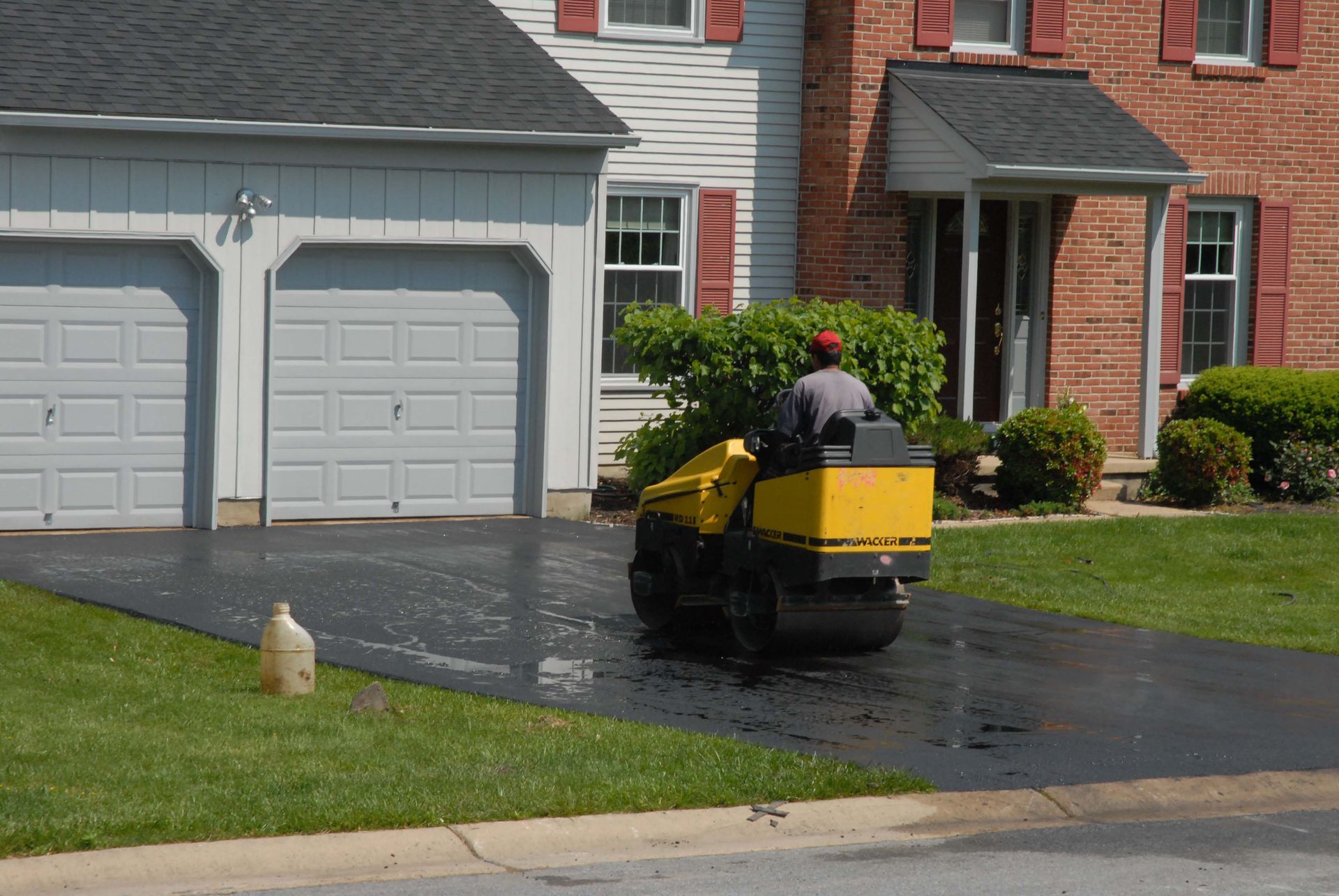
Refining the top surface involves systematic rolling, tamping, or hand-floating to achieve a smooth finish and maximum material density. Heavy tandem rollers compress the warm paving layer, locking aggregates together to create an impermeable, long-lasting surface. Expansion joints and edge restraints are installed at calculated intervals to manage natural thermal expansion and contraction without cracking.
Paving specialists continuously inspect the setting surface to smooth out hand-tool marks, fill tiny voids, and adjust edge contours. Laser levels confirm pitch angles match original drainage plans, eliminating low spots where standing water could accumulate. Applying professional-grade protective sealants after initial cure times shields fresh pavement against chemical spills, ultraviolet rays, and moisture intrusion.
Inspecting Final Workmanship
The concluding phase involves a comprehensive quality inspection to verify that every detail aligns with engineering specifications and homeowner expectations. Project managers inspect edges, joint seams, and transition areas for minor flaws or elevation inconsistencies that require immediate touch-up adjustments. Applying secondary perimeter seals strengthens water resistance along exposed borders and masonry interfaces.
A final walkthrough with the property owner confirms overall project satisfaction and offers an opportunity to discuss proper care protocols. Homeowners receive instructions regarding initial weight restrictions and guidance on identifying normal material curing behaviors over the first few weeks. Establishing clear lines of post-project communication ensures questions about initial maintenance or long-term performance are promptly addressed.
Thorough site cleanup restores the property's appearance and ensures the newly paved area is instantly safe and functional. Crews collect tool sets, haul away excess paving materials, and clear remaining stone dust or asphalt fragments from lawns and walkways. Removing temporary safety barriers and equipment leaves the residential property orderly, clean, and ready for use.
Contractors reinstate surrounding landscape features disturbed during construction by raking perimeter topsoil, backfilling driveway edges, and reseeding turf grass. Responsible waste management practices ensure scraped asphalt and excavated materials are transported to licensed recycling facilities. Completing thorough site cleanup reflects professional standards of craftsmanship, property respect, and environmental responsibility.
Verifying Permit Compliance
Finalizing the installation requires submitting project completion notices to local building departments to fulfill permit mandates. Municipal inspectors conduct site visits to verify that driveway dimensions, curb cutouts, and setback distances comply with local zoning regulations. Receiving formal compliance sign-offs protects property owners from future municipal code violations or title transfer issues during real estate sales.
Complete compliance records, material warranties, and maintenance guidelines are organized into a handover package for the homeowner's permanent records. Maintaining accurate documentation demonstrates that all structural, environmental, and safety standards were fully met throughout the build. This formal administrative closeout establishes complete peace of mind and preserves the long-term value of the property investment.
Long-term maintenance involves routine sweeping, prompt cleanup of automotive fluid spills, and periodic application of high-quality sealcoats every few years. Addressing minor surface hairline cracks early prevents water infiltration during freeze-thaw cycles. Implementing a consistent care schedule extends the service life of the pavement and maintains strong curb appeal for decades. For more information about the services that we offer, reach out to our incredible team at Anthony LaValle Sons Inc today!